A Gothic house of prayer and remembrance
Fan‑vaults and stained glass, chapels of kings and poets, cloisters of calm—tradition meeting a city that never stops.
Table of Contents
Origins and foundations
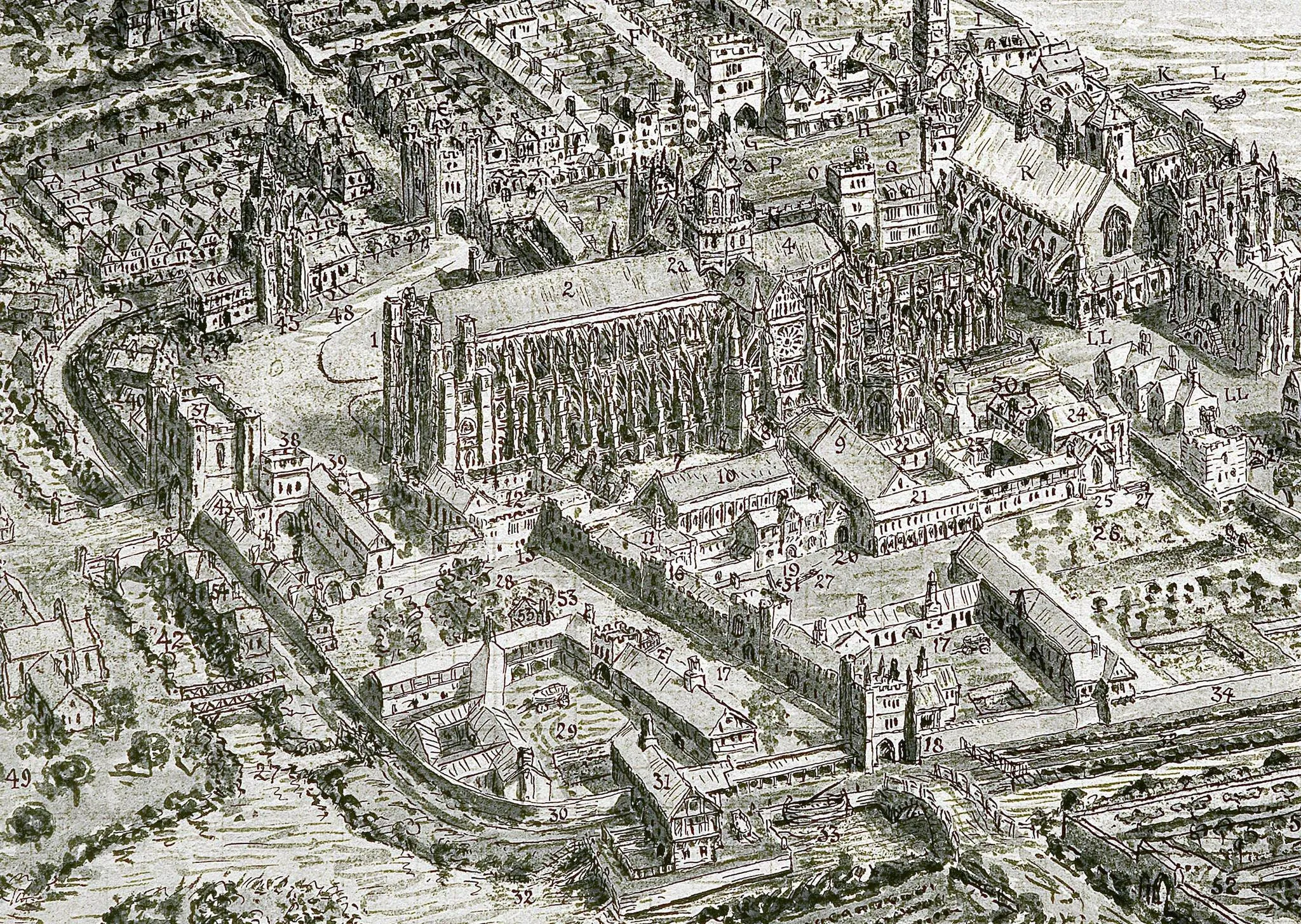
Westminster Abbey rises from monastic roots—an earlier church and community of prayer evolving into the great Gothic fabric we see today. Over centuries, foundations were laid, choirs trained, stones lifted skyward, and a rhythm of worship took hold, threading devotion into every arch and aisle.
What we see today is the layered result of faith, craft, and national life. Chapels added for rulers and saints, cloisters for calm, and a nave designed for procession and prayer. It is a working abbey where architecture is not just backdrop but instrument—a place tuned for words, music, and remembrance.
Monks, worship, and royal ties
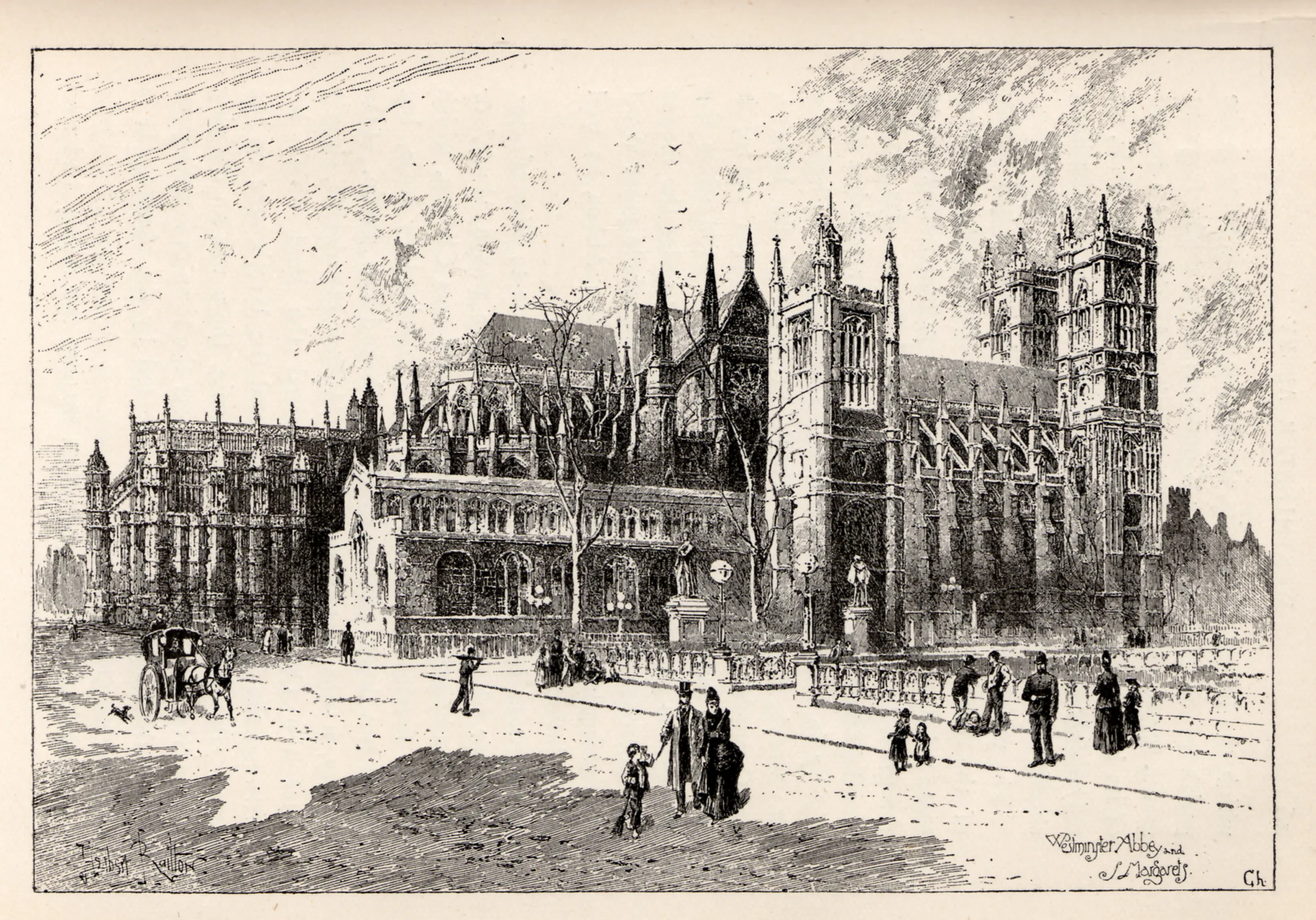
The Abbey is where worship becomes a shared language: daily prayers, choral Evensong, royal weddings and funerals, and coronations that shape memory. The building is both stage and sanctuary—public ritual in the nave, quiet preparation in the chapels and sacristy.
These rhythms bind the city to faith and Crown: choristers move with practiced grace, processions trace the aisles, and crowds gather under the west front. Even when you visit quietly, you feel those traces—the geometry of pews, the cadence of psalms, and the sense that London itself pauses to listen.
Gothic architecture and craft
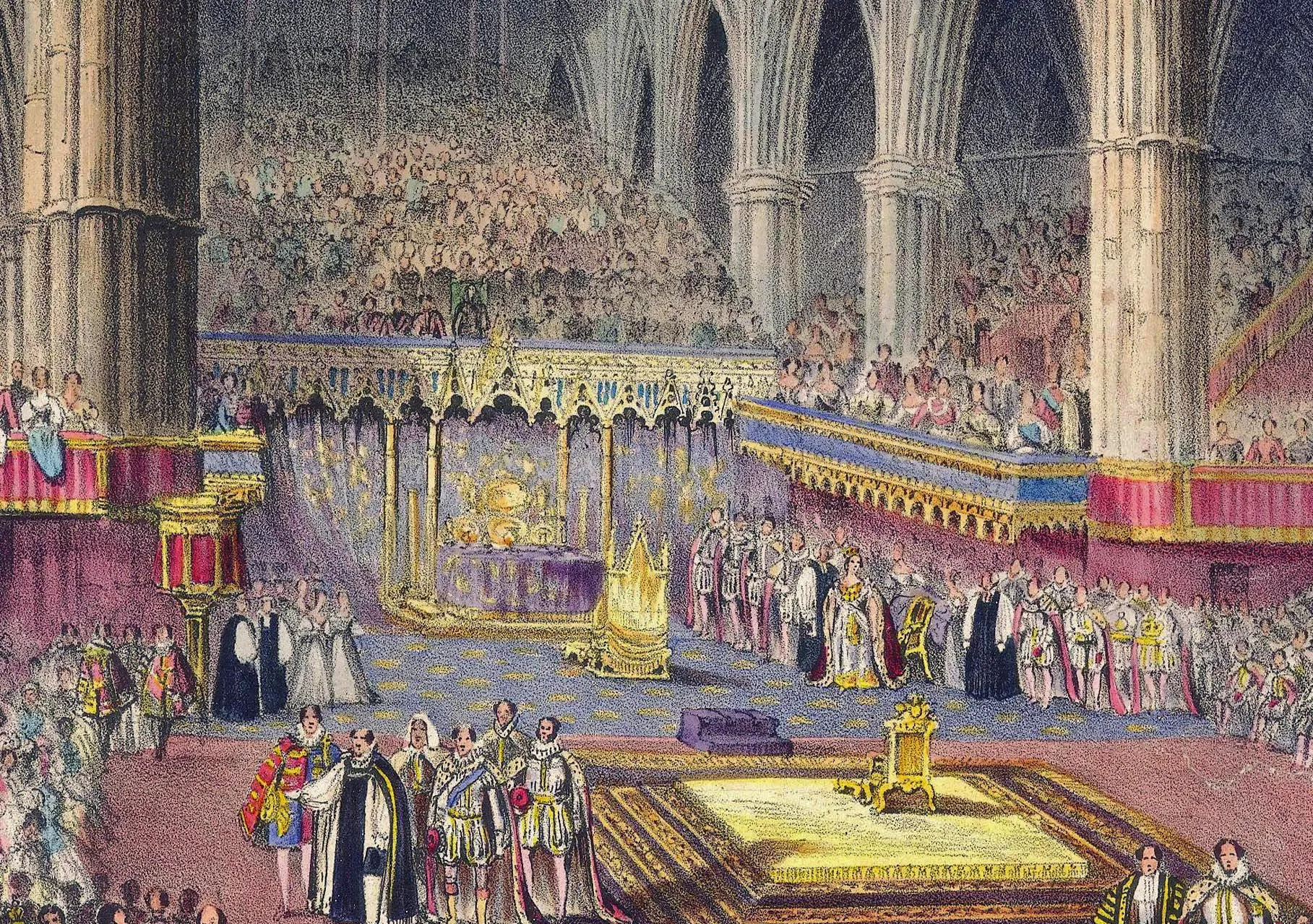
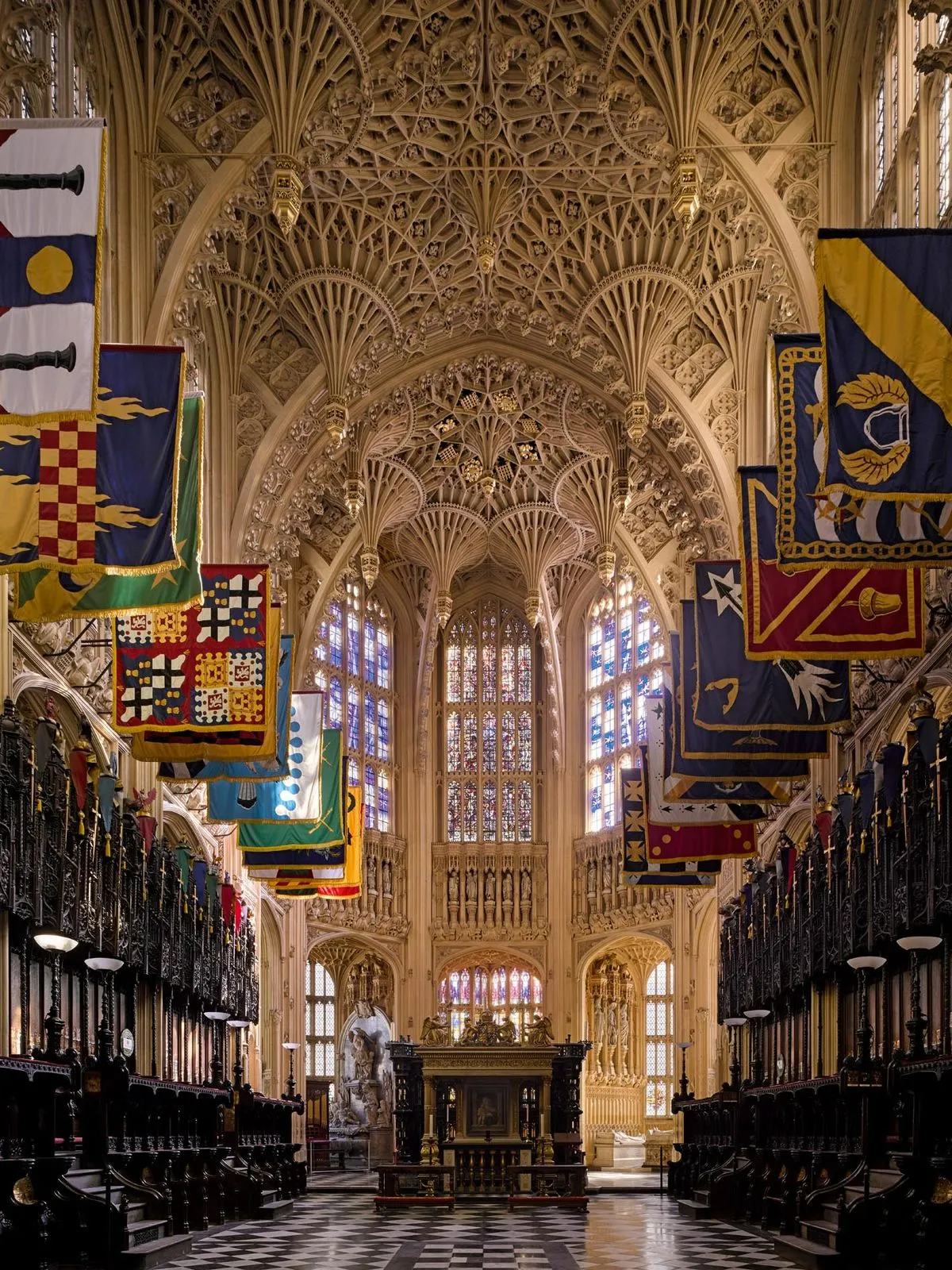
Inside, vaulted stone does more than soar—it reveals intention. Clustered columns, ribs drawn like music, stained glass that paints the floor in color, and carvings that carry quiet meanings. Each chapel balances symbolism with hospitality: spaces set for prayer, ceremony, and remembrance where liturgy is poetry and craftsmanship is the chorus.
Architecture here is choreography: routes for pilgrims, sightlines for procession, and a cadence that guides you from nave to transept to cloister. The result is immersive without hurry, inviting you to notice details—the curl of a capital, a figure in a niche, a window placed so its light meets yours as you turn.
Coronations and kings
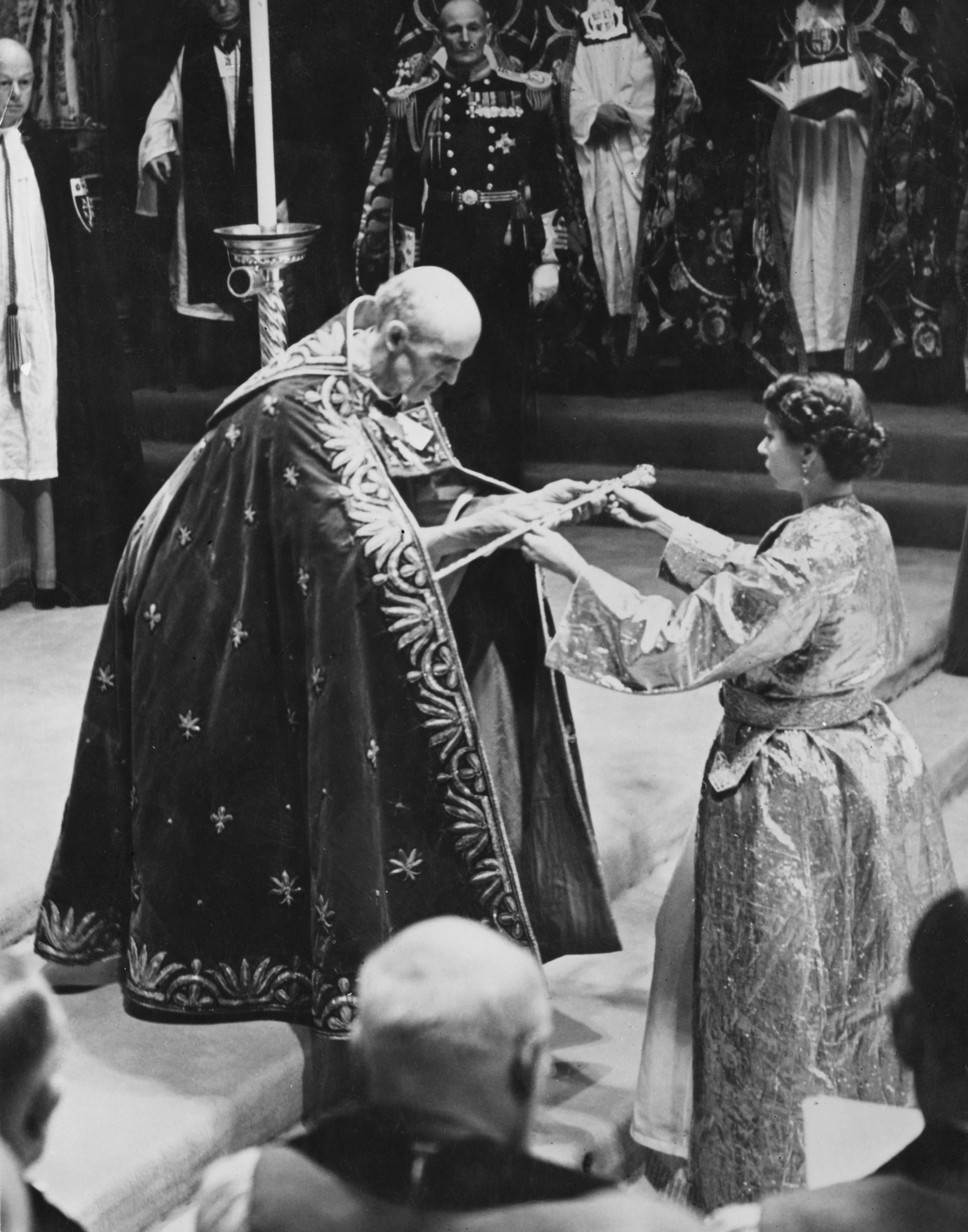
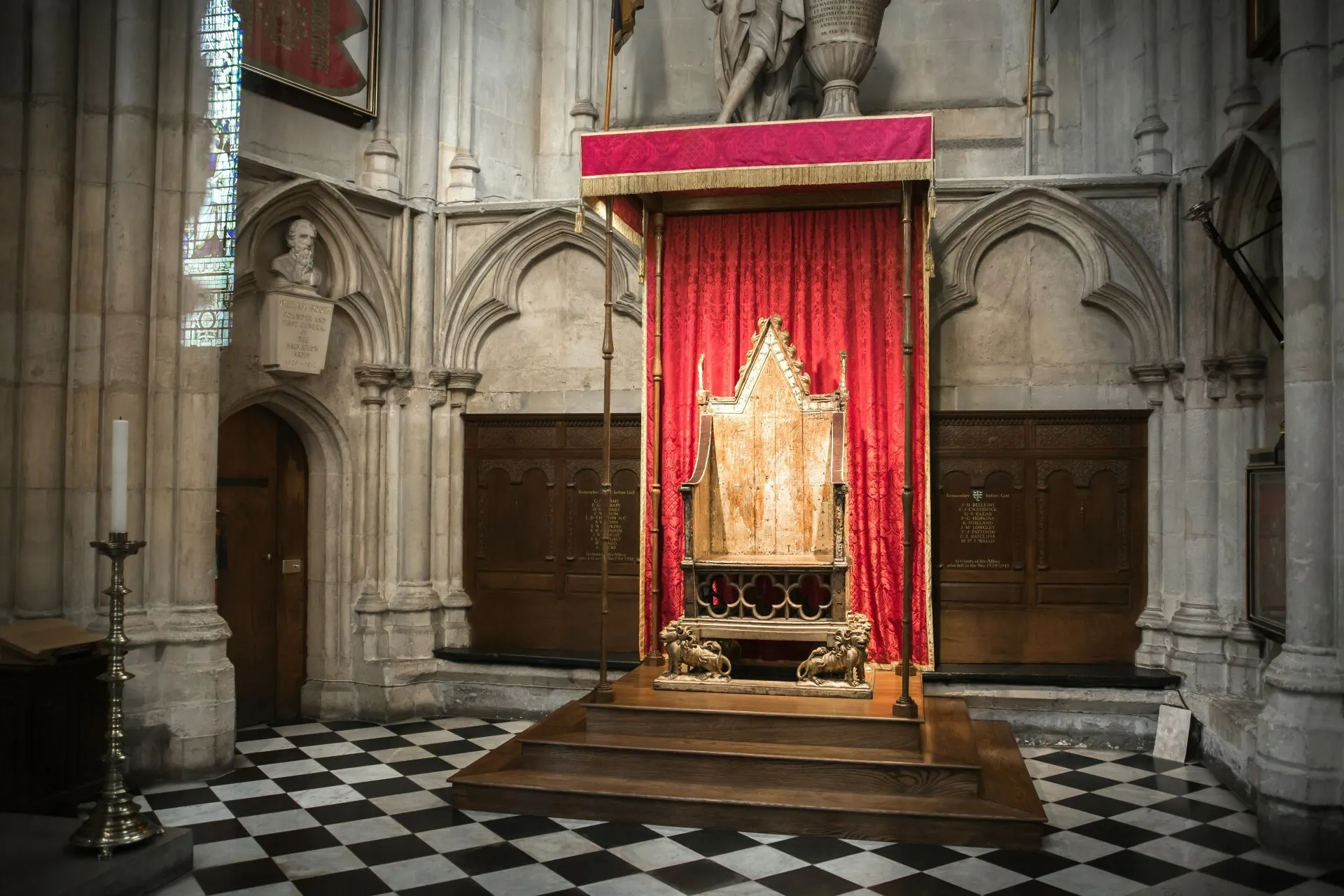
Coronations are a constellation of rites shaped over centuries—oils, oaths, music, and the Coronation Chair, worn smooth by time. Side chapels hold rulers who governed, prayed, and eventually rested, their effigies speaking softly about power entrusted and returned.
It is a living ritual: curated for meaning, continuity, and reflection. Multimedia guides add voices to objects—how a ceremony found its cadence, why a relic matters, where a tradition was formed. The result feels personal, especially when you linger and let a single rite draw you close.
Burials, memorials, and poets
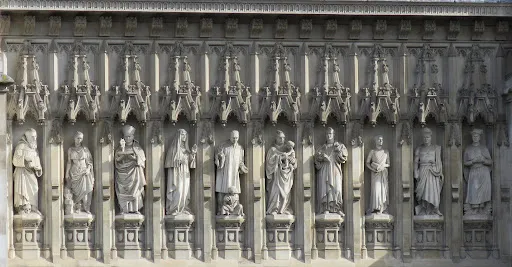
Beneath the vaults, memorials gather a compassionate chorus—kings and queens, scientists and poets, grief and gratitude sharing the same air. In Poets’ Corner, literature takes its place beside liturgy: Chaucer’s nearby, Shakespeare remembered, Austen, Dickens, and more whispering through stone.
The Abbey teaches that memory is practical care: names recorded, stones tended, and music sung year after year. Paired with the cloisters, it rounds out the visit—remembrance answered by calm, grandeur balanced by daily worship.
Reformation and resilience
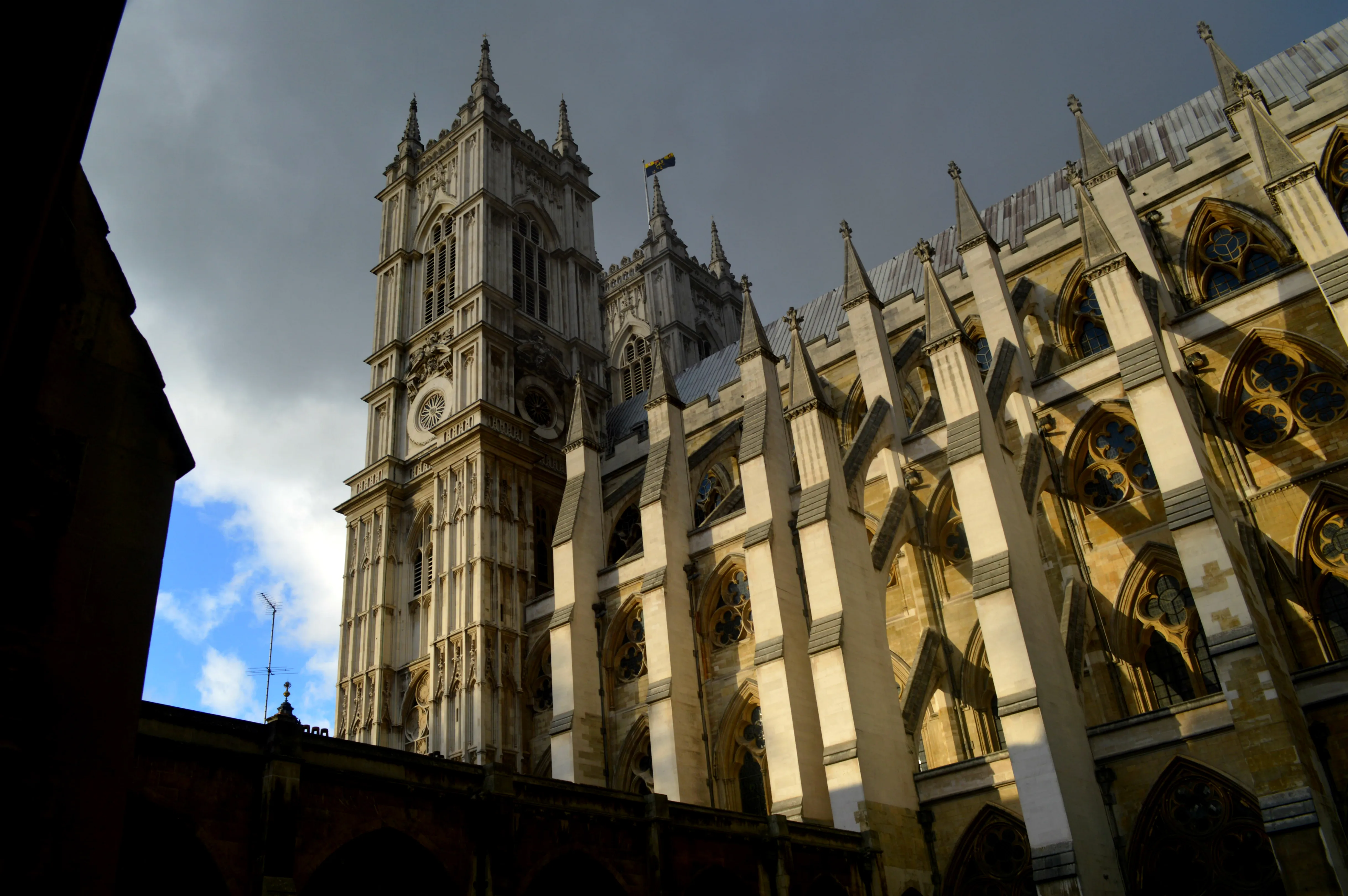
The 16th century reshaped the Abbey’s identity—monastic roots transformed, worship re‑centred, and buildings adapted to new patterns of faith and governance. Through change, the Abbey kept its calling: a place where prayer and national life continue to meet.
Resilience crystallised: the Abbey as a place where private devotion meets public ritual. Architecture served continuity, and continuity served community—definitions that still echo when choirs sing and a congregation finds itself a chorus.
War, repair, and continuity
The Abbey stood through conflict. Bomb damage during the Second World War marked it physically and historically; repairs were practical and symbolic, affirming presence when absence would have been easier. Continuity mattered—worship persisted, and the building remained a compass in uncertain times.
Resilience here is quiet: masonry restored, routines adapted, and clergy and staff who understand that place can steady people. When you visit, you sense that steadiness in small ways—the confidence of routes, the unshowy care in how chapels are kept, the way history speaks without raising its voice.
Modernisation and accessibility
Today’s Abbey balances tradition with modern needs: conservation science behind carved stone and stained glass, climate control discreetly sustaining textiles and woodwork, and accessibility threaded through routes so more people feel welcomed.
Security and hospitality work hand in hand: timed entry, clear guidance, and trained staff make visiting feel gracious and simple—worship and memory for everyone, not just the invited.
Services and daily rhythm
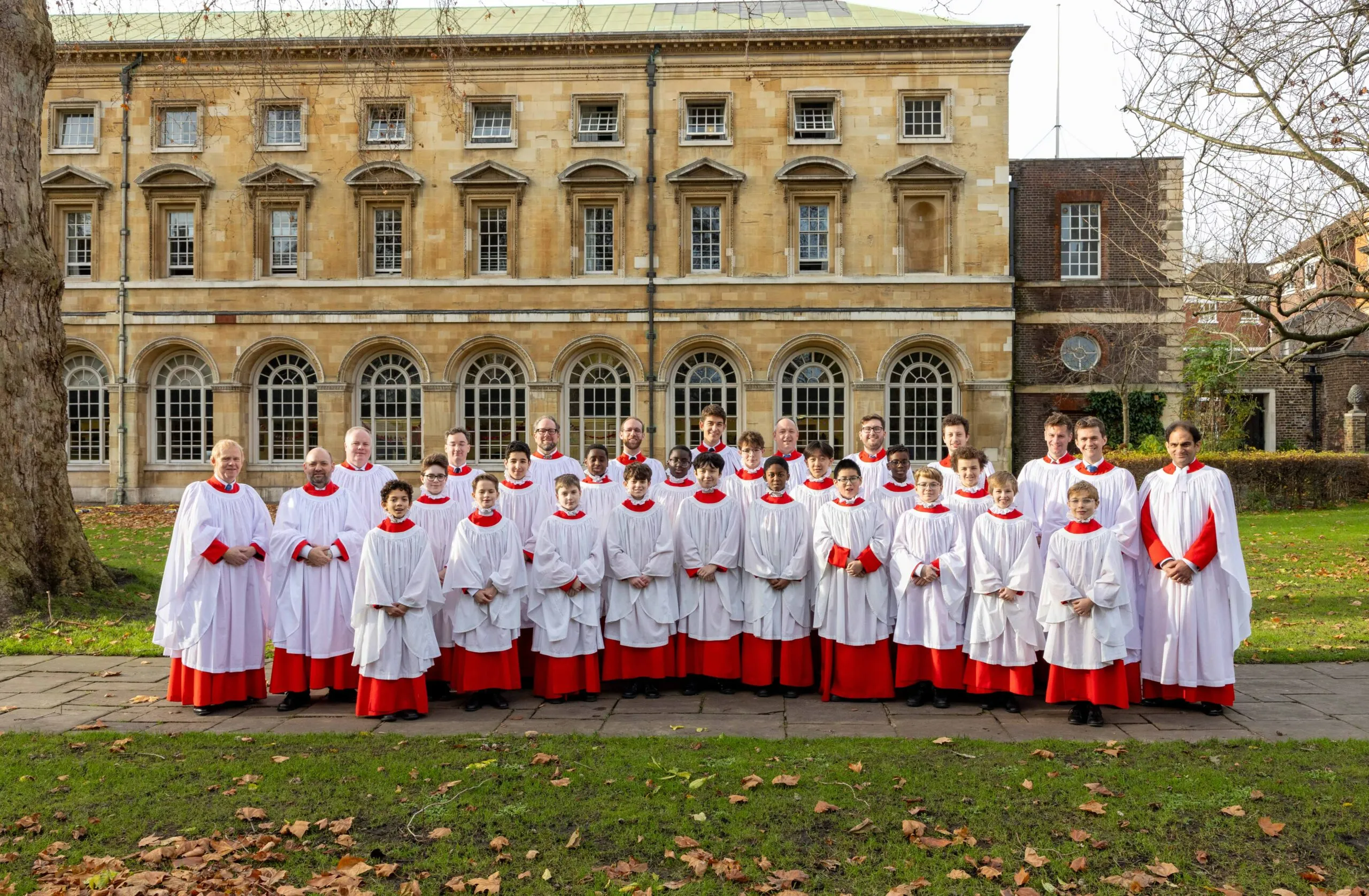
Services are a stage, but also a ritual of recognition. Choirs sing, congregations listen, and for a moment, private and public align. Weddings, funerals, coronations—memories attach to sound, light, and prayer.
That rhythm turns architecture into feeling: stone and glass becoming chorus. Even if you visit when the choir is quiet, you see the potential in the nave—the promise of shared occasions and a city that knows where to gather when it needs to celebrate or reflect.
Planning with historical context
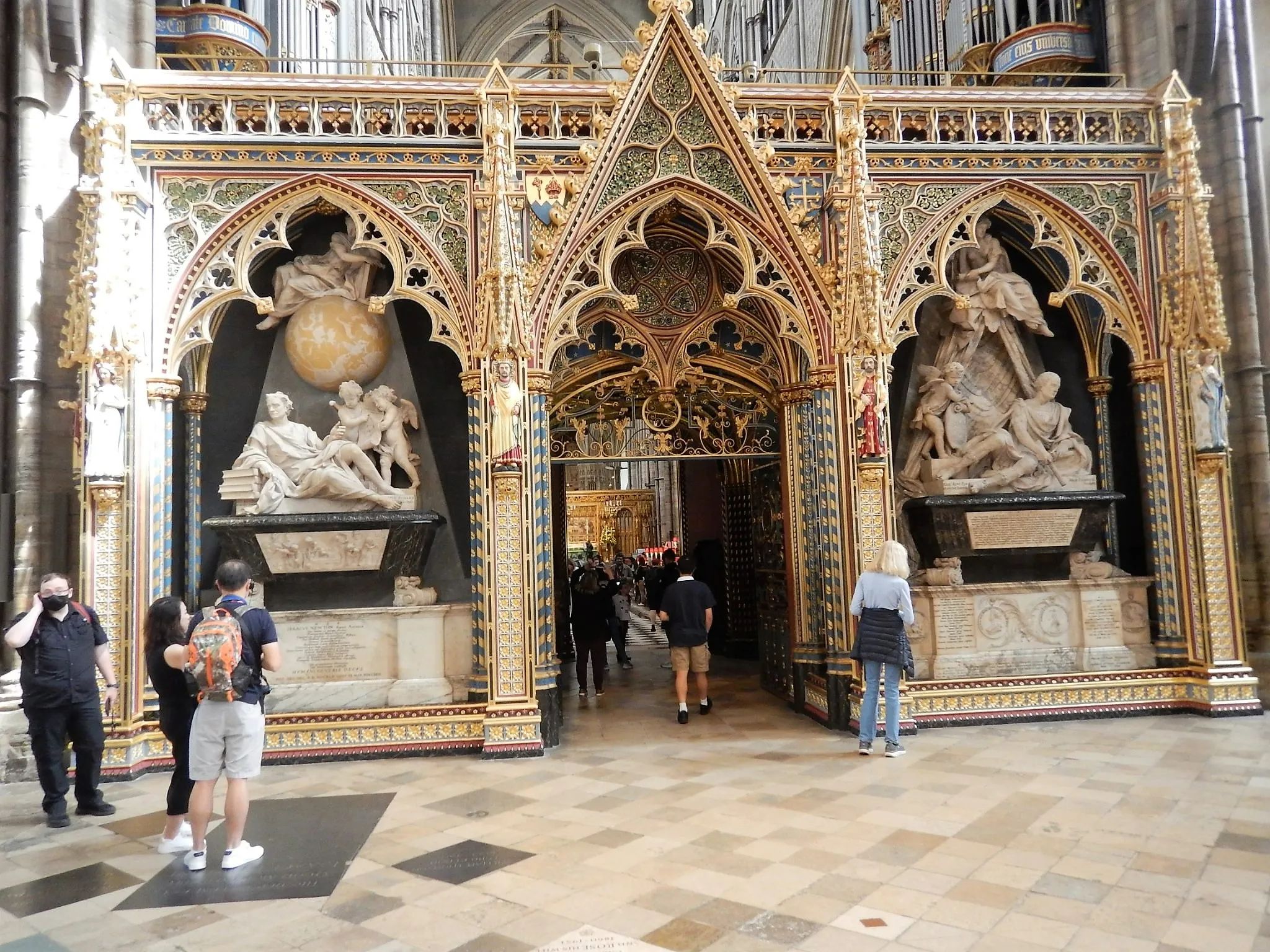
Begin with a service if you can—attend Evensong, then move through the chapels. In the nave and transepts, look for craftsmanship that rewards a slower pace: fan‑vaults, tracery, memorials placed for conversation, and windows that turn light into music.
Context makes chapels richer: read labels, listen to the multimedia guide, and pair the nave with cloisters so worship and memory answer each other.
Westminster and surroundings
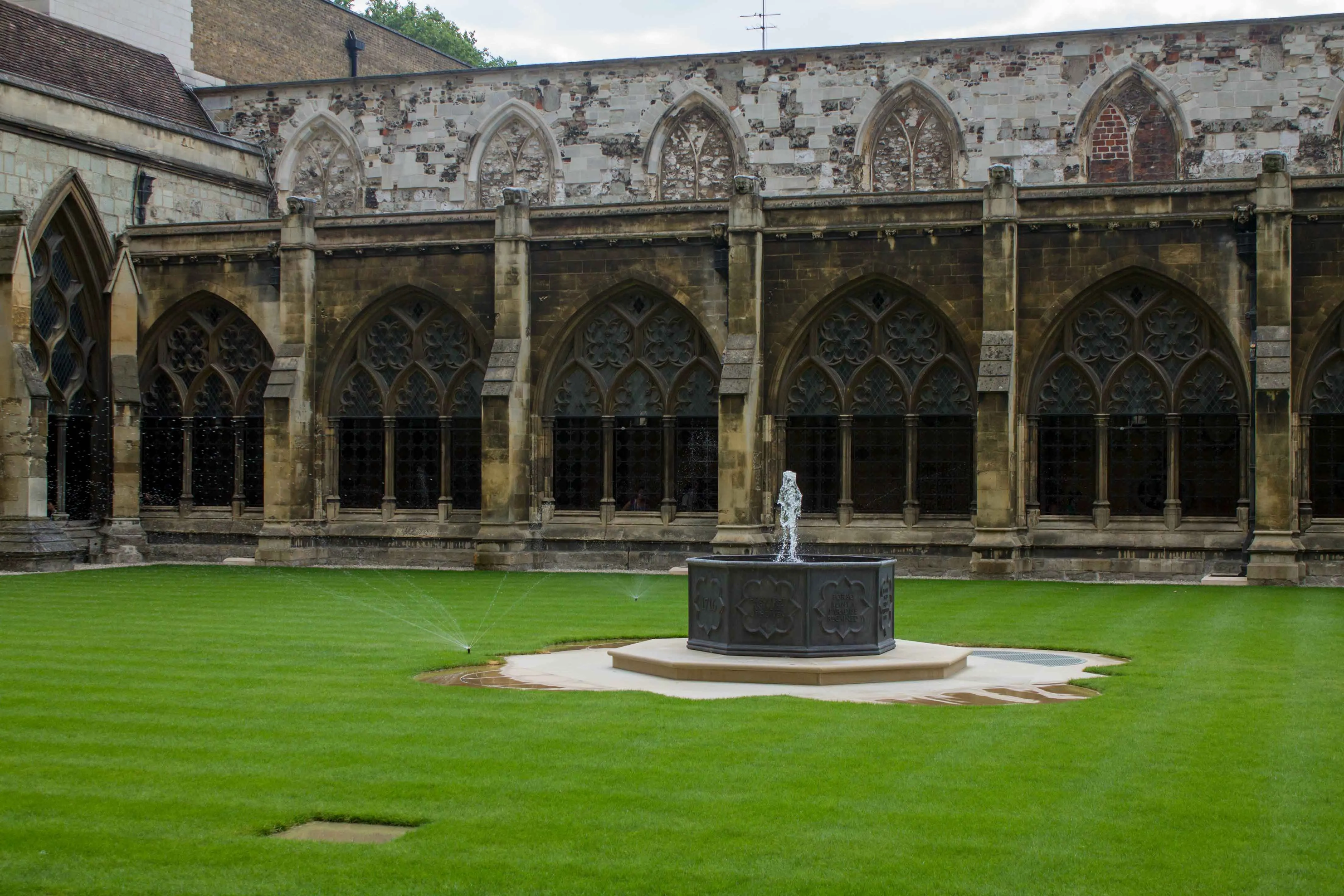
Parliament Square gathers London’s institutions—Abbey, Parliament, courts, statues—making Westminster feel like a living atlas. Walk to the river, glance towards Whitehall, and let the sightlines explain how the city choreographs its grand gestures.
Nearby, the Palace of Westminster anchors governance; St James’s Park and the National Gallery show nature and art in conversation. The Abbey sits quietly at the centre, confident and calm.
Complementary nearby sites
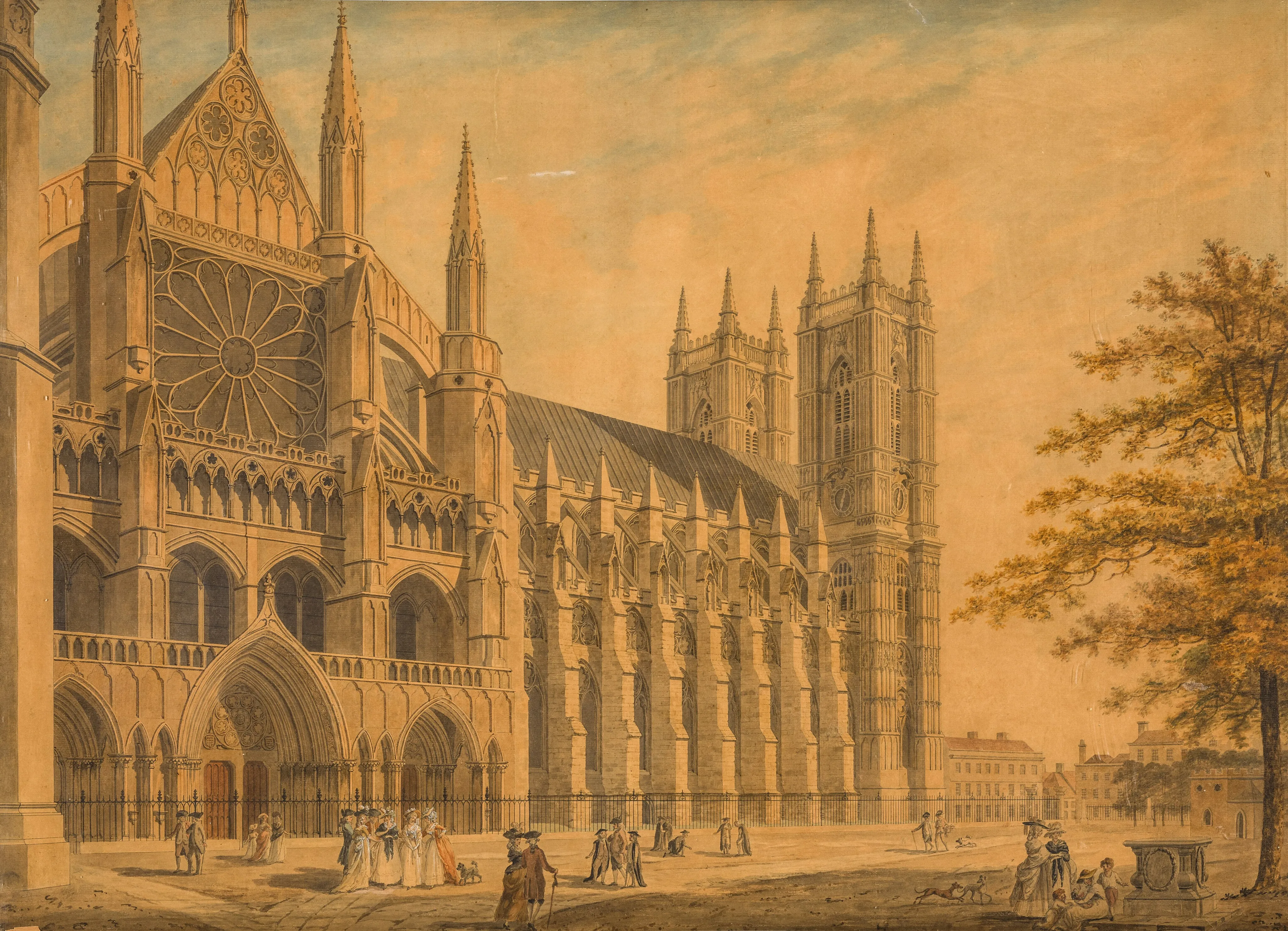
The Palace of Westminster, St Margaret’s Church, St James’s Park, the National Gallery, and Westminster Cathedral make an elegant circuit.
Pairing sites brings contrast: worship and politics, art and architecture, crowds and cloisters. It turns a single visit into a day that feels full yet unhurried.
Enduring legacy of the Abbey
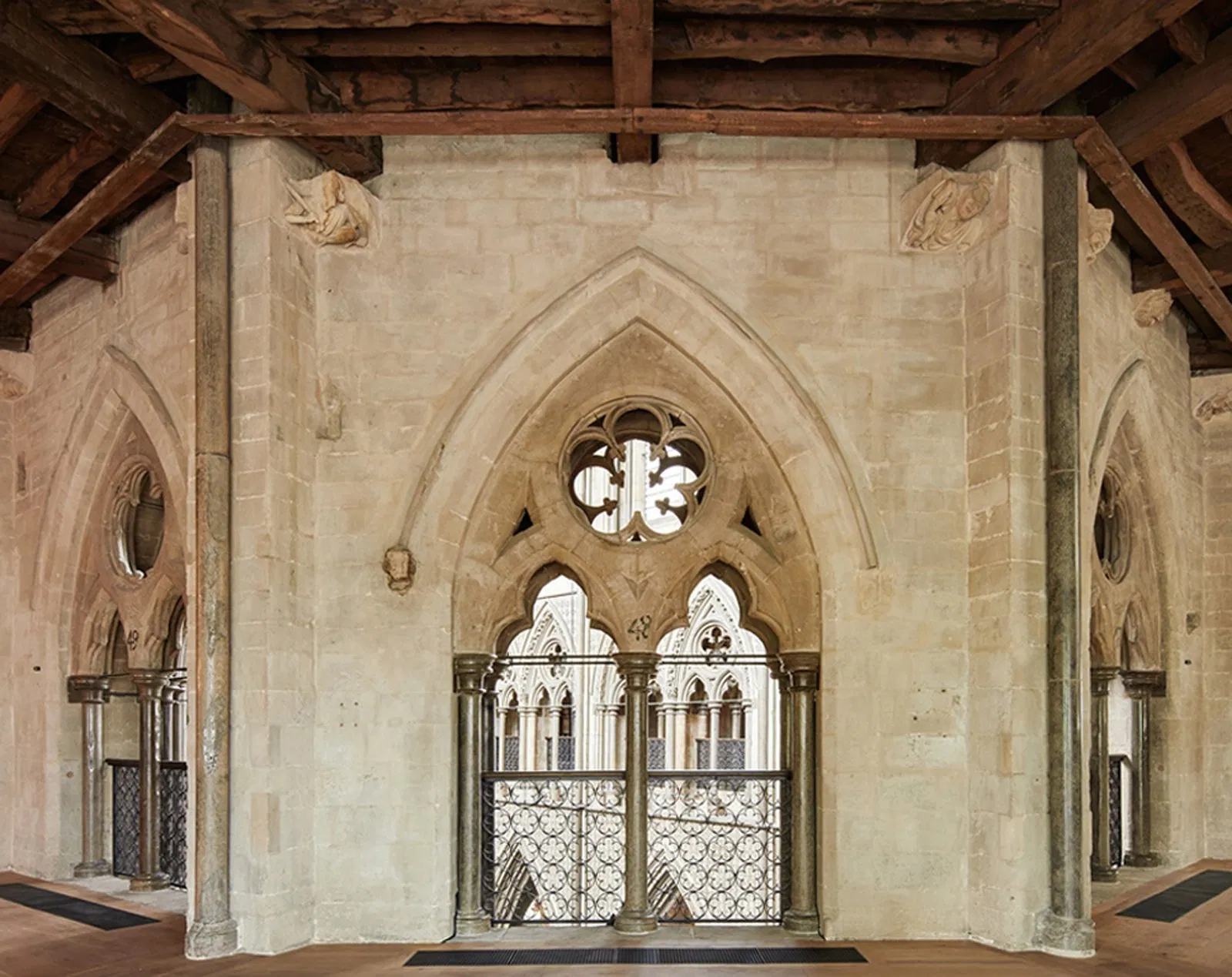
Westminster Abbey carries stories of worship, service, and continuity. It is where coronations find an audience, where craft supports liturgy, and where public feeling finds a place to gather.
Conservation, adaptation, and thoughtful access keep its meaning alive—tradition with room to breathe, an abbey that belongs to many moments and generations.
Table of Contents
Origins and foundations
Westminster Abbey rises from monastic roots—an earlier church and community of prayer evolving into the great Gothic fabric we see today. Over centuries, foundations were laid, choirs trained, stones lifted skyward, and a rhythm of worship took hold, threading devotion into every arch and aisle.
What we see today is the layered result of faith, craft, and national life. Chapels added for rulers and saints, cloisters for calm, and a nave designed for procession and prayer. It is a working abbey where architecture is not just backdrop but instrument—a place tuned for words, music, and remembrance.
Monks, worship, and royal ties
The Abbey is where worship becomes a shared language: daily prayers, choral Evensong, royal weddings and funerals, and coronations that shape memory. The building is both stage and sanctuary—public ritual in the nave, quiet preparation in the chapels and sacristy.
These rhythms bind the city to faith and Crown: choristers move with practiced grace, processions trace the aisles, and crowds gather under the west front. Even when you visit quietly, you feel those traces—the geometry of pews, the cadence of psalms, and the sense that London itself pauses to listen.
Gothic architecture and craft
Inside, vaulted stone does more than soar—it reveals intention. Clustered columns, ribs drawn like music, stained glass that paints the floor in color, and carvings that carry quiet meanings. Each chapel balances symbolism with hospitality: spaces set for prayer, ceremony, and remembrance where liturgy is poetry and craftsmanship is the chorus.
Architecture here is choreography: routes for pilgrims, sightlines for procession, and a cadence that guides you from nave to transept to cloister. The result is immersive without hurry, inviting you to notice details—the curl of a capital, a figure in a niche, a window placed so its light meets yours as you turn.
Coronations and kings
Coronations are a constellation of rites shaped over centuries—oils, oaths, music, and the Coronation Chair, worn smooth by time. Side chapels hold rulers who governed, prayed, and eventually rested, their effigies speaking softly about power entrusted and returned.
It is a living ritual: curated for meaning, continuity, and reflection. Multimedia guides add voices to objects—how a ceremony found its cadence, why a relic matters, where a tradition was formed. The result feels personal, especially when you linger and let a single rite draw you close.
Burials, memorials, and poets
Beneath the vaults, memorials gather a compassionate chorus—kings and queens, scientists and poets, grief and gratitude sharing the same air. In Poets’ Corner, literature takes its place beside liturgy: Chaucer’s nearby, Shakespeare remembered, Austen, Dickens, and more whispering through stone.
The Abbey teaches that memory is practical care: names recorded, stones tended, and music sung year after year. Paired with the cloisters, it rounds out the visit—remembrance answered by calm, grandeur balanced by daily worship.
Reformation and resilience
The 16th century reshaped the Abbey’s identity—monastic roots transformed, worship re‑centred, and buildings adapted to new patterns of faith and governance. Through change, the Abbey kept its calling: a place where prayer and national life continue to meet.
Resilience crystallised: the Abbey as a place where private devotion meets public ritual. Architecture served continuity, and continuity served community—definitions that still echo when choirs sing and a congregation finds itself a chorus.
War, repair, and continuity
The Abbey stood through conflict. Bomb damage during the Second World War marked it physically and historically; repairs were practical and symbolic, affirming presence when absence would have been easier. Continuity mattered—worship persisted, and the building remained a compass in uncertain times.
Resilience here is quiet: masonry restored, routines adapted, and clergy and staff who understand that place can steady people. When you visit, you sense that steadiness in small ways—the confidence of routes, the unshowy care in how chapels are kept, the way history speaks without raising its voice.
Modernisation and accessibility
Today’s Abbey balances tradition with modern needs: conservation science behind carved stone and stained glass, climate control discreetly sustaining textiles and woodwork, and accessibility threaded through routes so more people feel welcomed.
Security and hospitality work hand in hand: timed entry, clear guidance, and trained staff make visiting feel gracious and simple—worship and memory for everyone, not just the invited.
Services and daily rhythm
Services are a stage, but also a ritual of recognition. Choirs sing, congregations listen, and for a moment, private and public align. Weddings, funerals, coronations—memories attach to sound, light, and prayer.
That rhythm turns architecture into feeling: stone and glass becoming chorus. Even if you visit when the choir is quiet, you see the potential in the nave—the promise of shared occasions and a city that knows where to gather when it needs to celebrate or reflect.
Planning with historical context
Begin with a service if you can—attend Evensong, then move through the chapels. In the nave and transepts, look for craftsmanship that rewards a slower pace: fan‑vaults, tracery, memorials placed for conversation, and windows that turn light into music.
Context makes chapels richer: read labels, listen to the multimedia guide, and pair the nave with cloisters so worship and memory answer each other.
Westminster and surroundings
Parliament Square gathers London’s institutions—Abbey, Parliament, courts, statues—making Westminster feel like a living atlas. Walk to the river, glance towards Whitehall, and let the sightlines explain how the city choreographs its grand gestures.
Nearby, the Palace of Westminster anchors governance; St James’s Park and the National Gallery show nature and art in conversation. The Abbey sits quietly at the centre, confident and calm.
Complementary nearby sites
The Palace of Westminster, St Margaret’s Church, St James’s Park, the National Gallery, and Westminster Cathedral make an elegant circuit.
Pairing sites brings contrast: worship and politics, art and architecture, crowds and cloisters. It turns a single visit into a day that feels full yet unhurried.
Enduring legacy of the Abbey
Westminster Abbey carries stories of worship, service, and continuity. It is where coronations find an audience, where craft supports liturgy, and where public feeling finds a place to gather.
Conservation, adaptation, and thoughtful access keep its meaning alive—tradition with room to breathe, an abbey that belongs to many moments and generations.